

Two weeks, residential
Our flagship programme
Oxford Summer Academy 2027
by Oxford Global Education
Oxford Global Education’s two-week residential Oxford summer school, inspired by Oxford’s tradition of tutorial teaching, with tailored tutorials, independent research and the questions the next twenty years will ask.
An independent programme organised by Oxford Global Education.
The Academy, at a glance

College accommodation and programme sessions in Oxford

Occasionally 3:1

Choose across 28 disciplines

Age-appropriate cohorts
All-inclusive
Satisfaction rate100%Around 80% of the 2026 cohort responded — every response was 5/5.
27 countriesRepresented by our 47-student 2026 cohort
Oxford and Cambridge academics onlyMinimum 100+ hours of prior teaching experience
01Why this Academy
A different model of academic development
Learn through rigorous Oxford-inspired tutorial methodology.
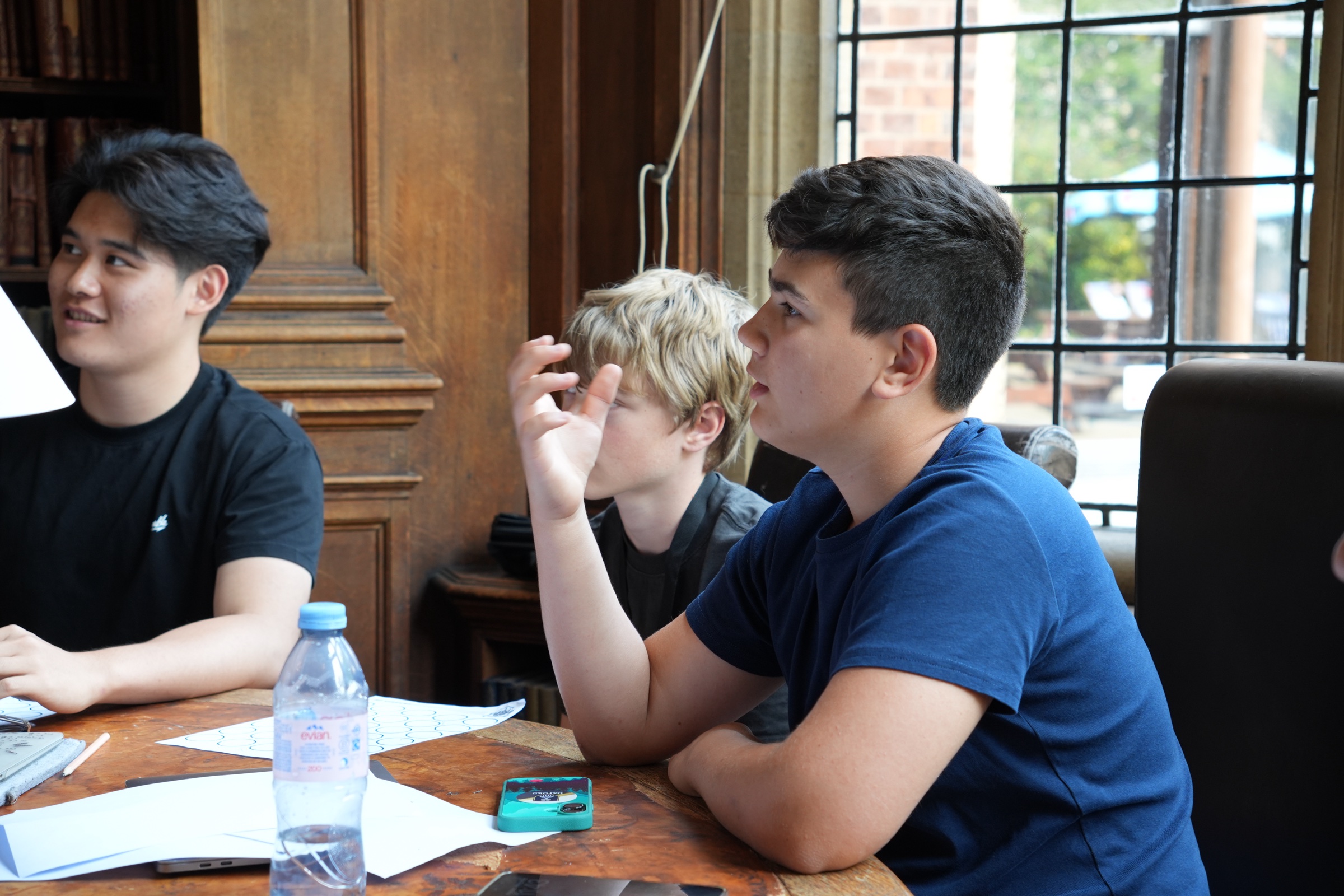
The tutorial methodology associated with Oxford and Cambridge places a student directly in conversation with an academic. Instead of passively receiving information, the student explores the subject in greater depth, puts forward an argument and learns through focused challenge and discussion.
Students learn to question assumptions, test evidence, communicate with precision and change their mind when a stronger argument demands it.
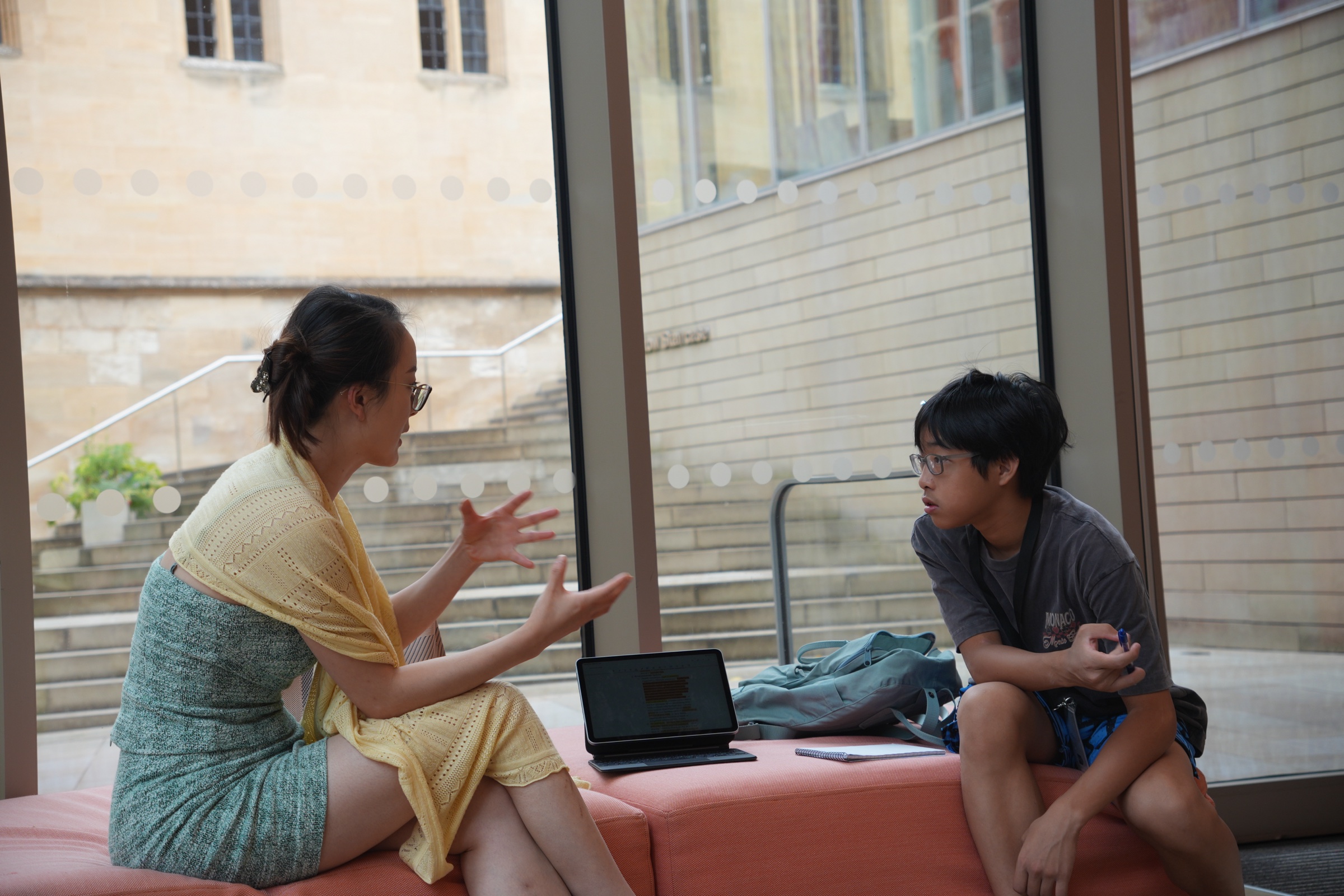
Oxford and Cambridge academics and graduates
Selected for subject expertise, teaching ability and the capacity to challenge and support students through tutorial discussion.
Normally one academic for one or two students
Tutorials may occasionally be delivered three-to-one.
Traditional subjects and modern questions
A major, a minor and five interdisciplinary Future Labs.
Academic work that continues after Oxford
A paper, profile, roadmap, recommendation and certificate.
02The academic architecture
How students learn at the Academy.
The programme brings together five connected forms of learning. Tutorials build subject depth, research develops independence, the Future Labs test interdisciplinary judgement, the Forum opens live global questions and Delta turns the evidence into a clear academic profile.
Tutorials
Major and minor subjects, normally taught 1:1 or 2:1 and occasionally 3:1 by an academic working in the field.
Explore tutorialsIndependent research paper
A supervised paper in the major subject, developed from question to final argument.
The research paperThe Future Labs
Five interactive sessions on artificial intelligence, critical thinking, design, innovation and debate.
Enter the LabsThe Oxford Global Forum
Guest symposia with people working on the questions that will shape the next twenty years.
View the ForumThe Delta Academic Profile
An evidence-based account of how the student thinks, where they are strongest and what comes next.
How Delta works03Tutorials and subjects
Oxford teaches by argument
Every student has to enter the conversation.
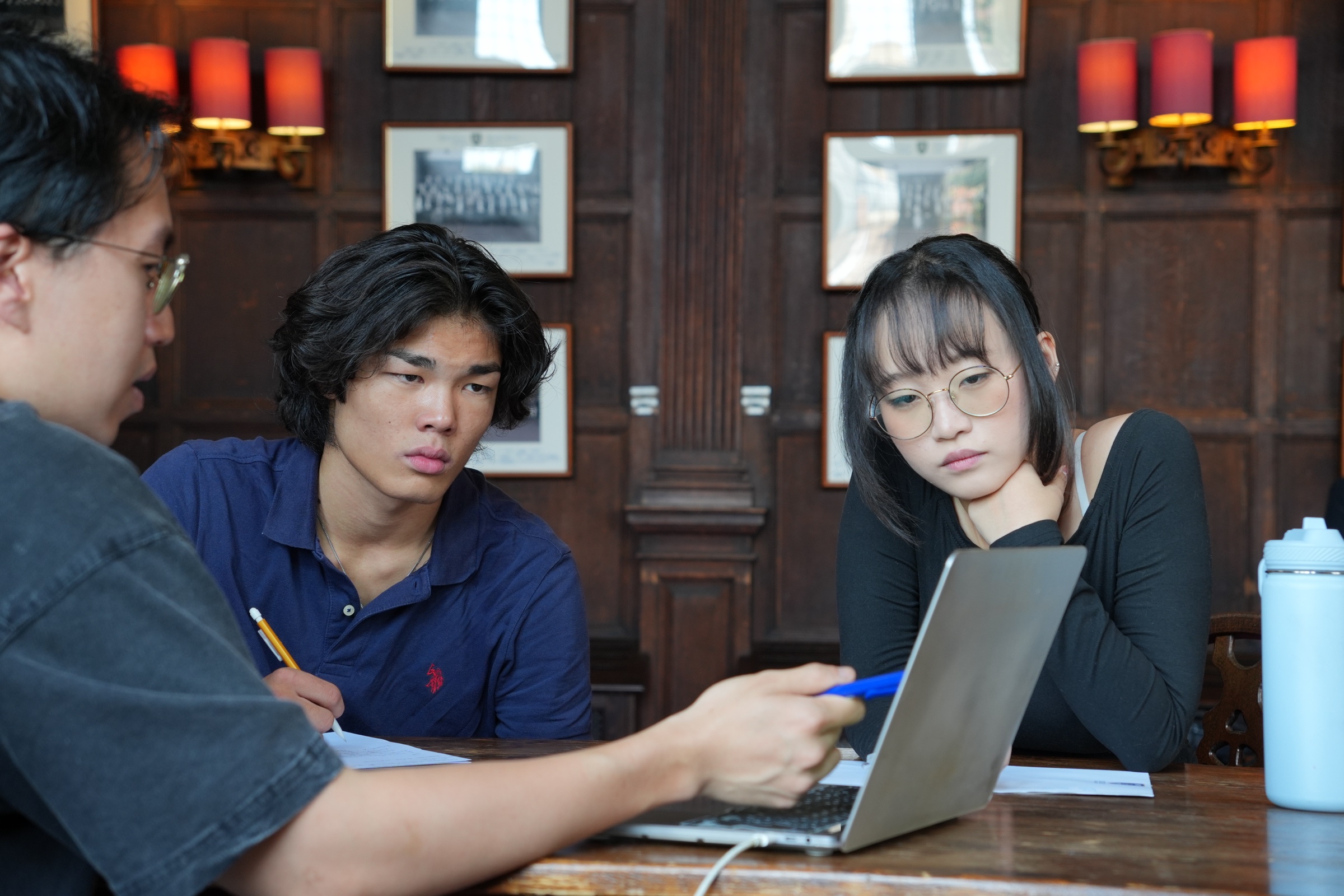
A tutorial is not a lecture delivered to a room. Students put forward an answer and an academic asks what supports it, what contradicts it and what they would change.
Normally 1:1 / 2:1Tutorials may occasionally be delivered 3:1
Two subjectsOne major and one minor
You cannot disappear at the back of a tutorial. Every idea has to be made clear enough to test.
Choose across 28 disciplines

Sciences and engineering
- Mathematics
- Physics
- Chemistry
- Biology
- Medicine
- Engineering
- Robotics and Autonomous Systems

Humanities
- English Literature
- History
- Classics
- Philosophy
- Creative Writing
- Geography

Social sciences
- Economics
- Law
- Politics and International Relations
- Diplomacy and Global Affairs
- Finance and FinTech
- Game Theory and Decision Science
- Psychology
- Business and Entrepreneurship

Technology and the future
- Artificial Intelligence and Machine Learning
- Computer Science and Programming
- Cybersecurity
- Space Science and the Space Economy
- Biotechnology
- Climate Technology
04Research and the Delta Academic Profile
A student should leave with more than just a certificate.
Our students do not leave with a certificate alone. They leave with an extended paper, a Delta Academic Profile, a twelve-month roadmap, a recommendation from an academic who taught them and a certificate of academic excellence.
01Research paper
02Delta Academic Profile
03Twelve-month roadmap
04Recommendation
05Certificate of Academic Excellence
The independently written research paper
Each student begins with a question in their major subject. An Oxford or Cambridge academic supervises the work, challenges the argument and marks the final paper with detailed written feedback.
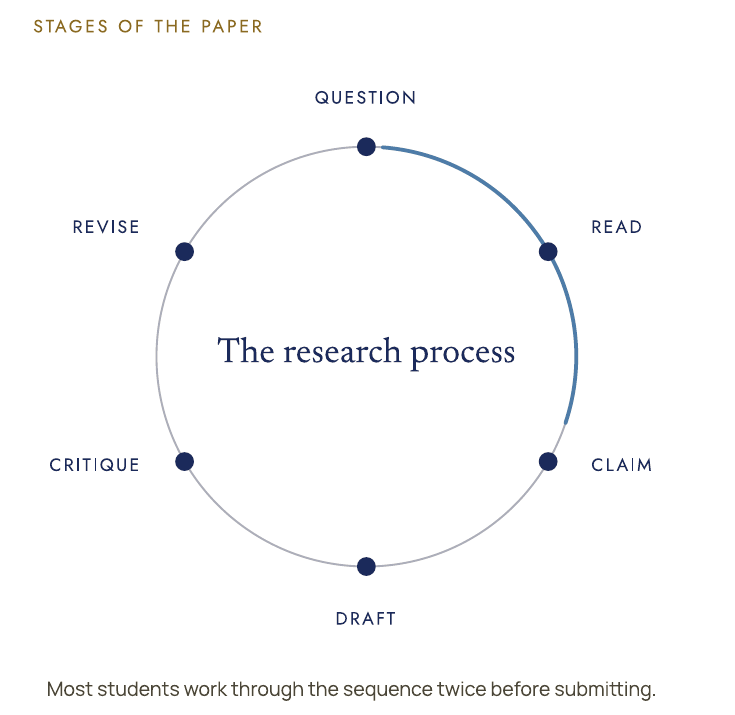
Six stages, usually completed twice before submission
The Delta Academic Profile
Every observation is tied to evidence from tutorials, the research process, the Labs and formal academic work. The result is a usable development plan, not a paragraph of generic praise.
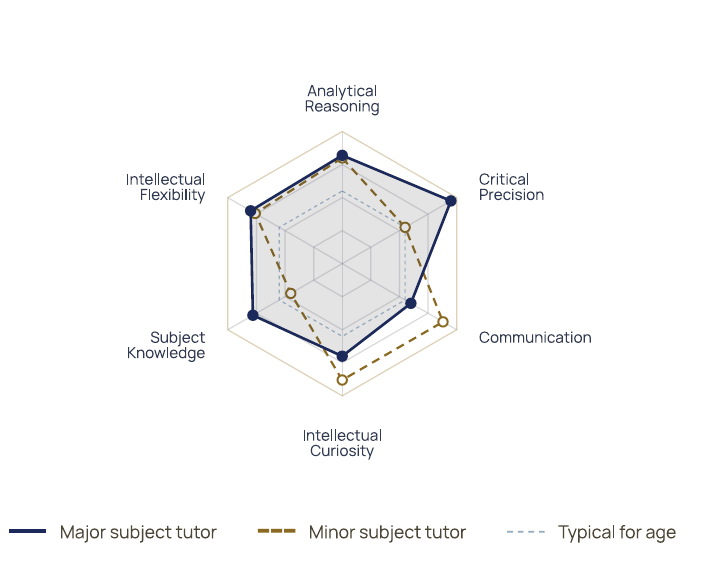
Major tutor, minor tutor and benchmark for age
See how the evidence is assembled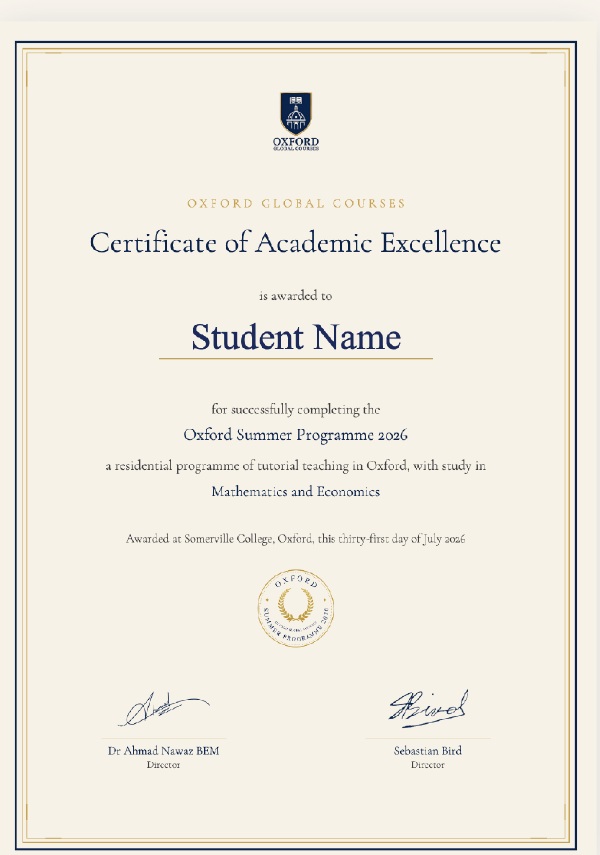
Certificate of Academic Excellence
Presented in college on the final day and signed by both directors.
05The Future Labs and Oxford Global Forum
Oxford minds, global questions
Learning ahead of the curriculum.
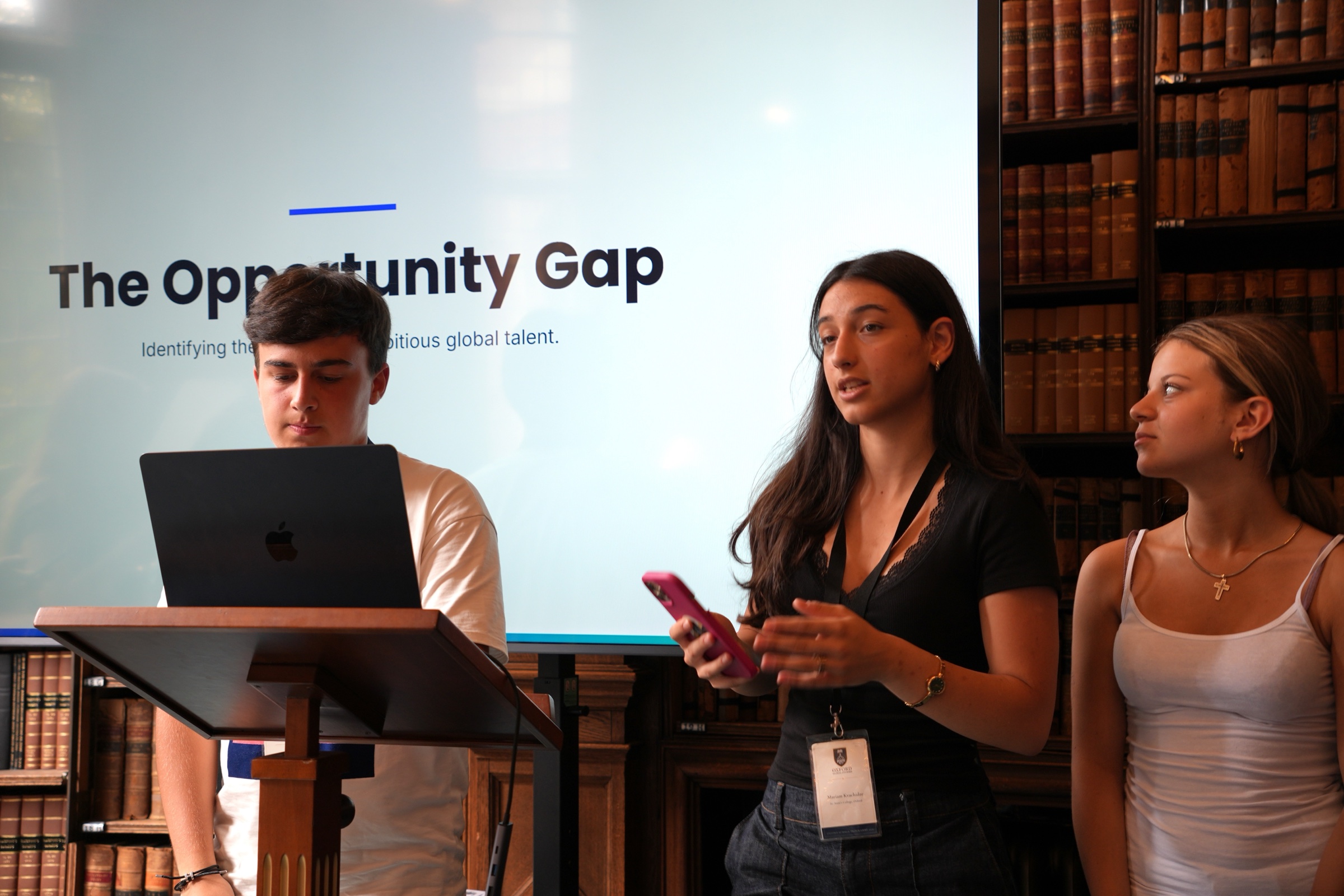
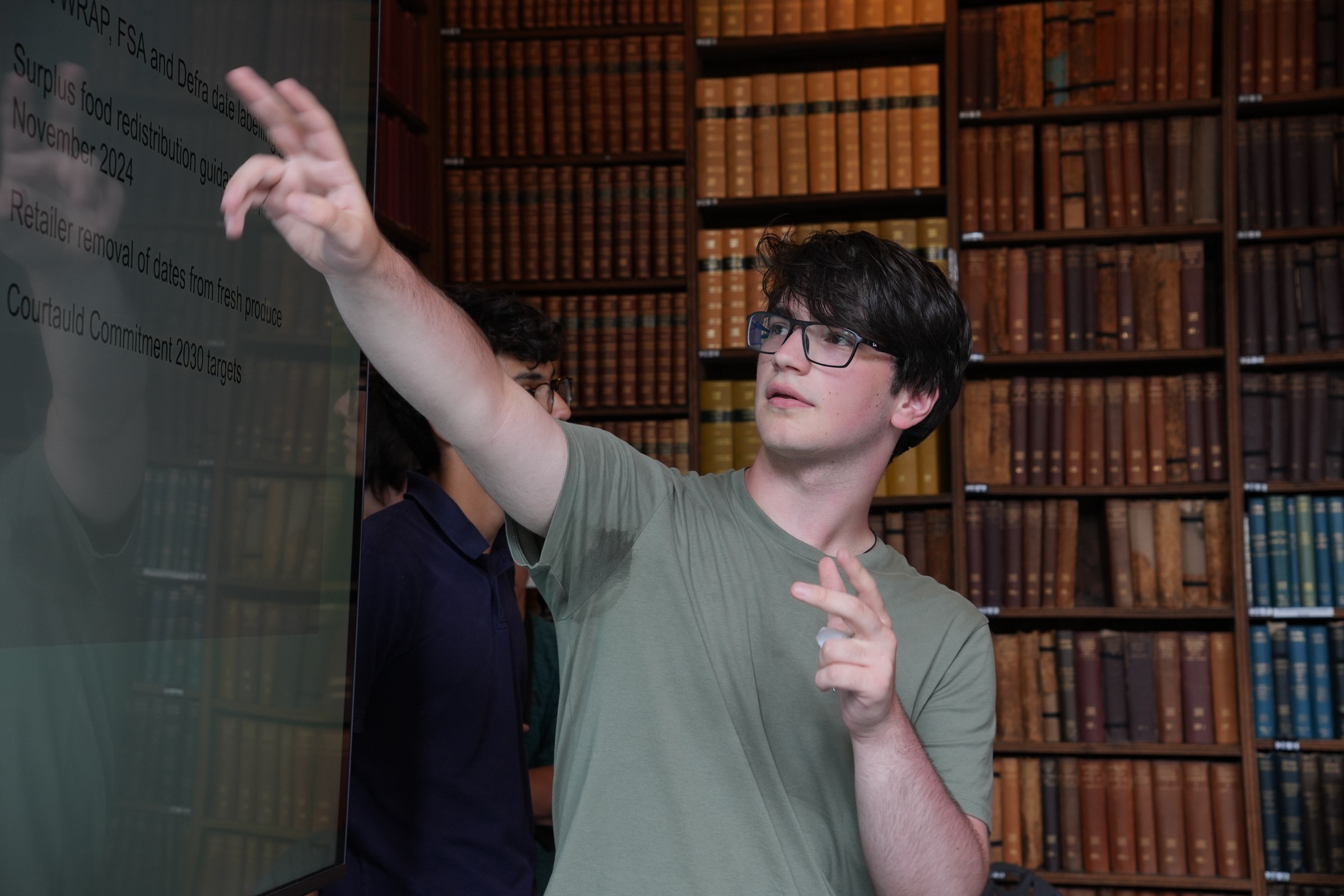
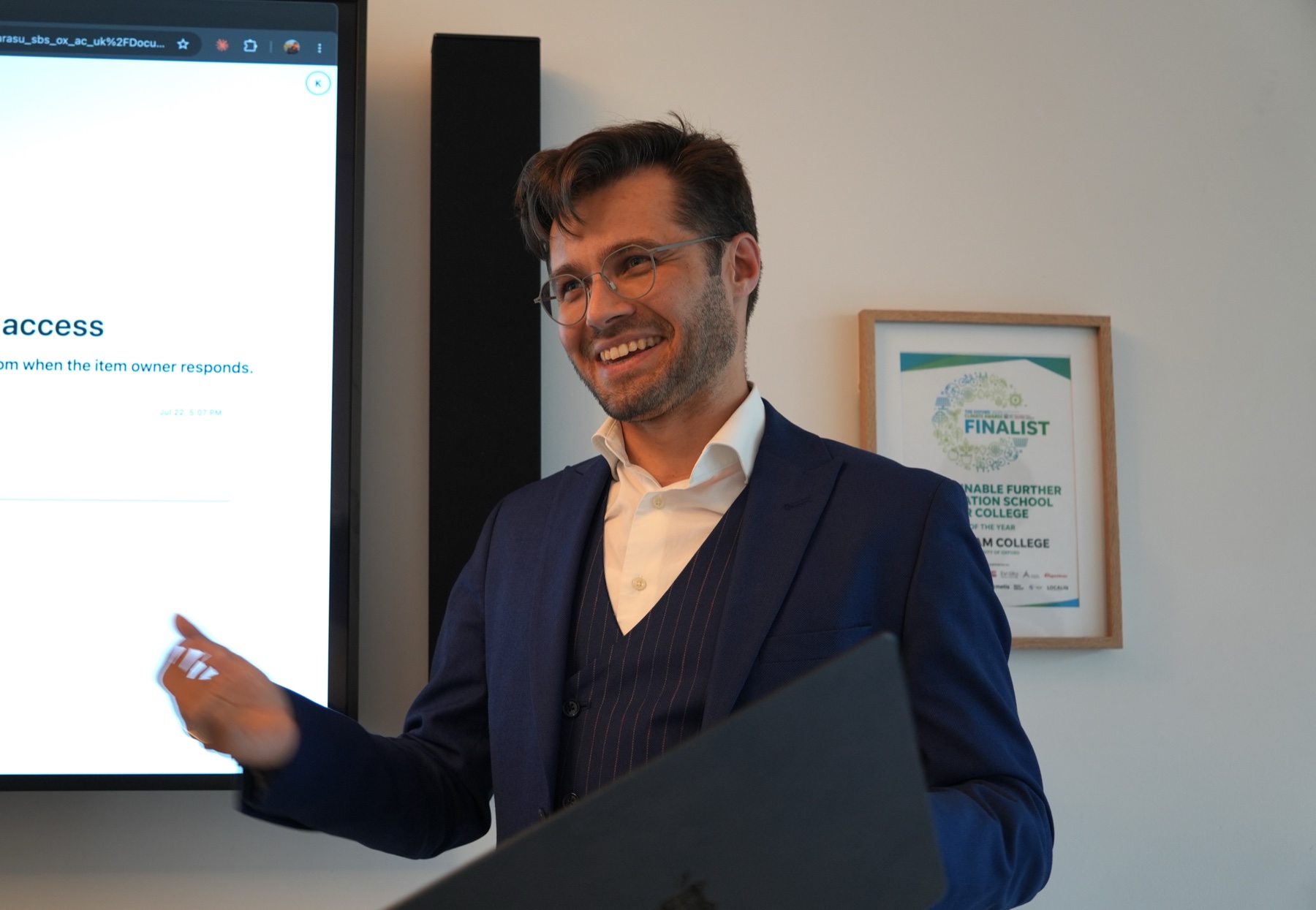
The Future Labs ask students to work on questions that are not settled and problems that do not fit neatly inside one school subject. They must decide what evidence to trust, build with other people and defend an answer in public.
AI and Human Intelligence
Hallucination, cognitive offloading and responsible use in academic work.
Critical Thinking
Signal, noise, bias, source triangulation and the courage to revise.
Design Thinking
Empathise, define, ideate, prototype and test.
Entrepreneurship and Innovation
Build a case for a venture, then test whether it holds.
Debate and Persuasion
Hold a position under pressure, culminating at the Oxford Union.
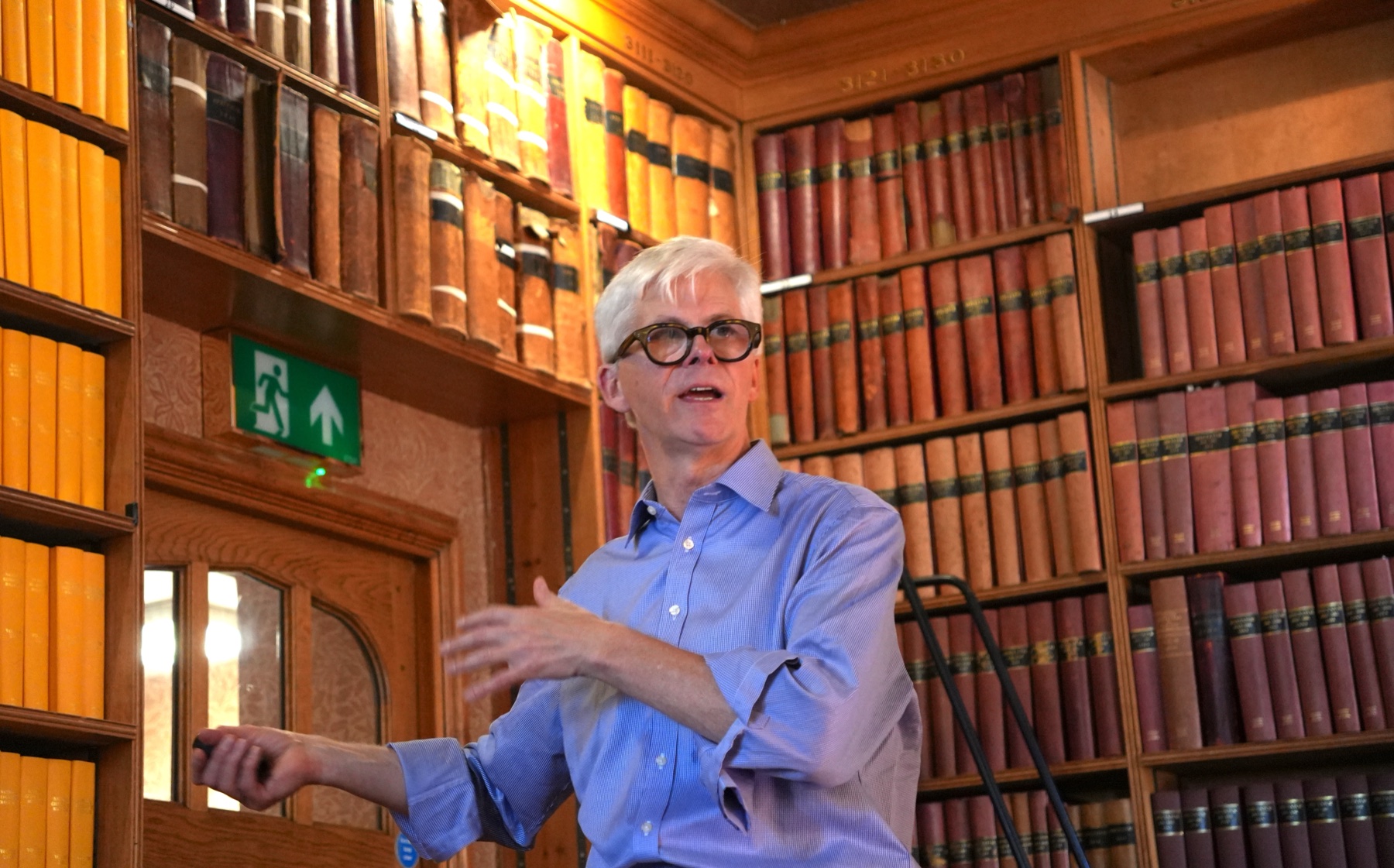
The Oxford Global Forum
A guest lecture series built around questions, not careers.
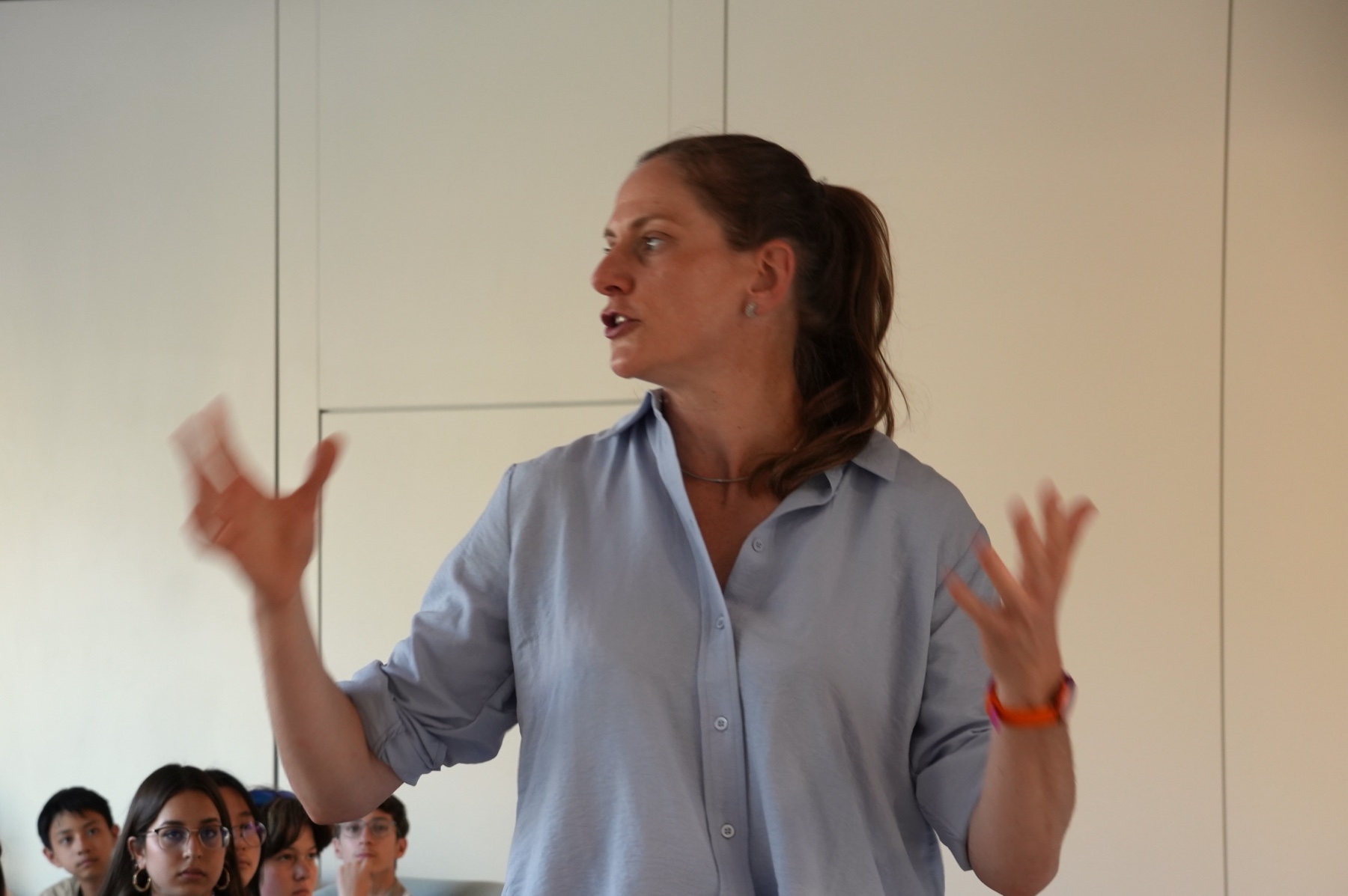
Who governs new technology? What is the future of biotechnology? Where does the next space economy begin? Is energy after fossil fuels possible? What makes a democracy healthy? Students meet people working on the questions, then take part in the discussion.
06Life in Oxford, London and the cohort
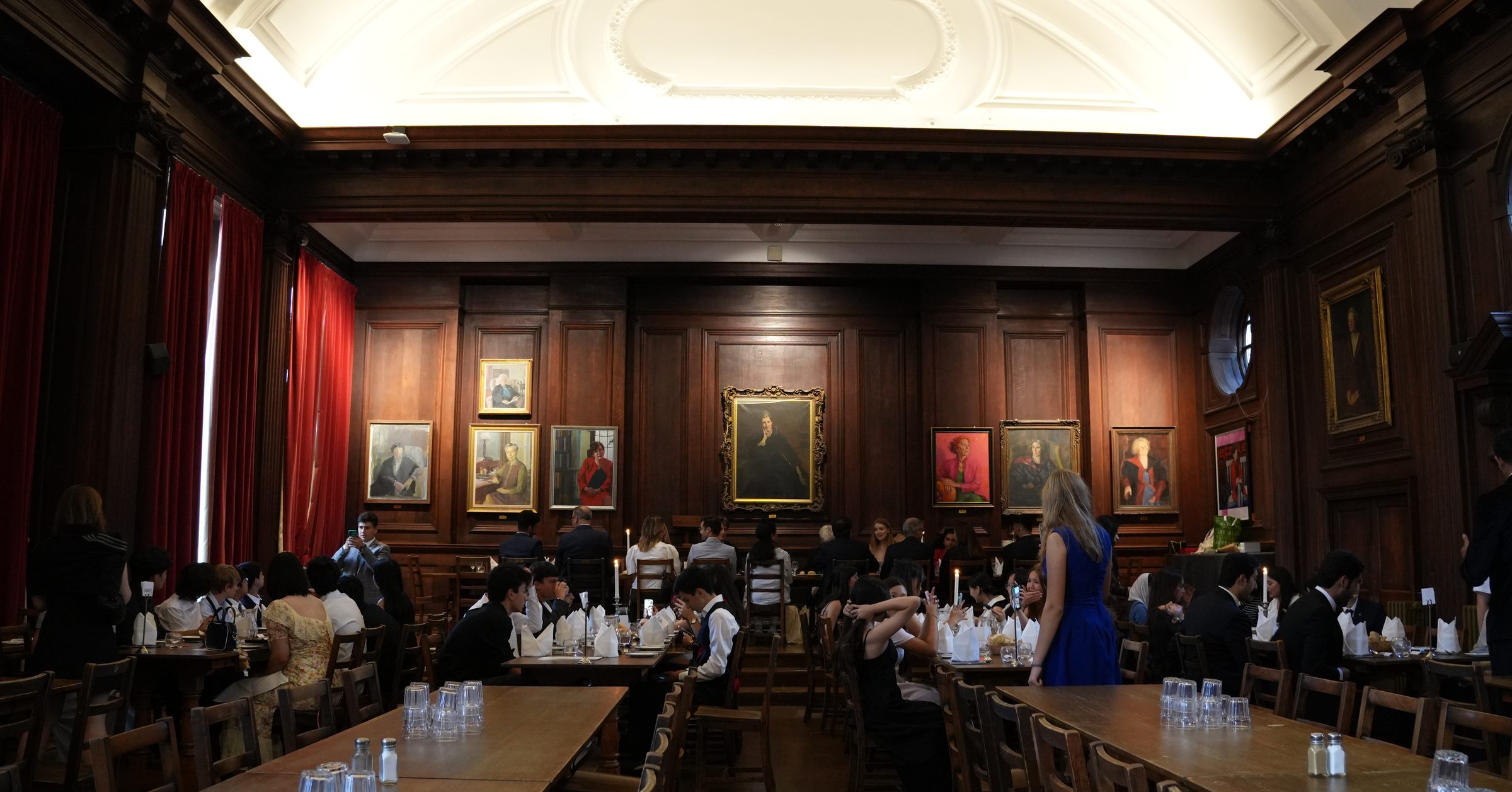
A working Oxford college
The education continues outside the tutorial.
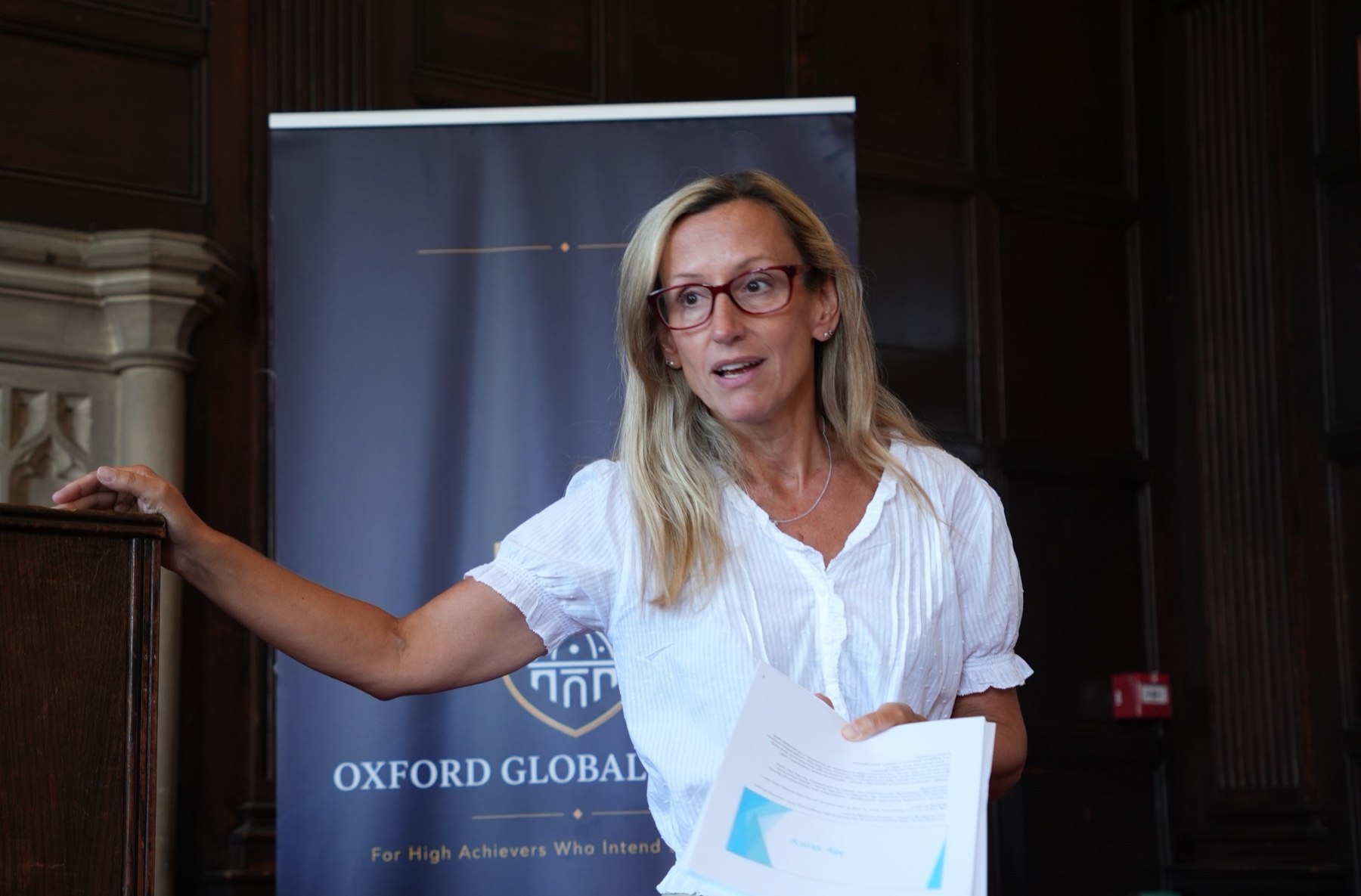
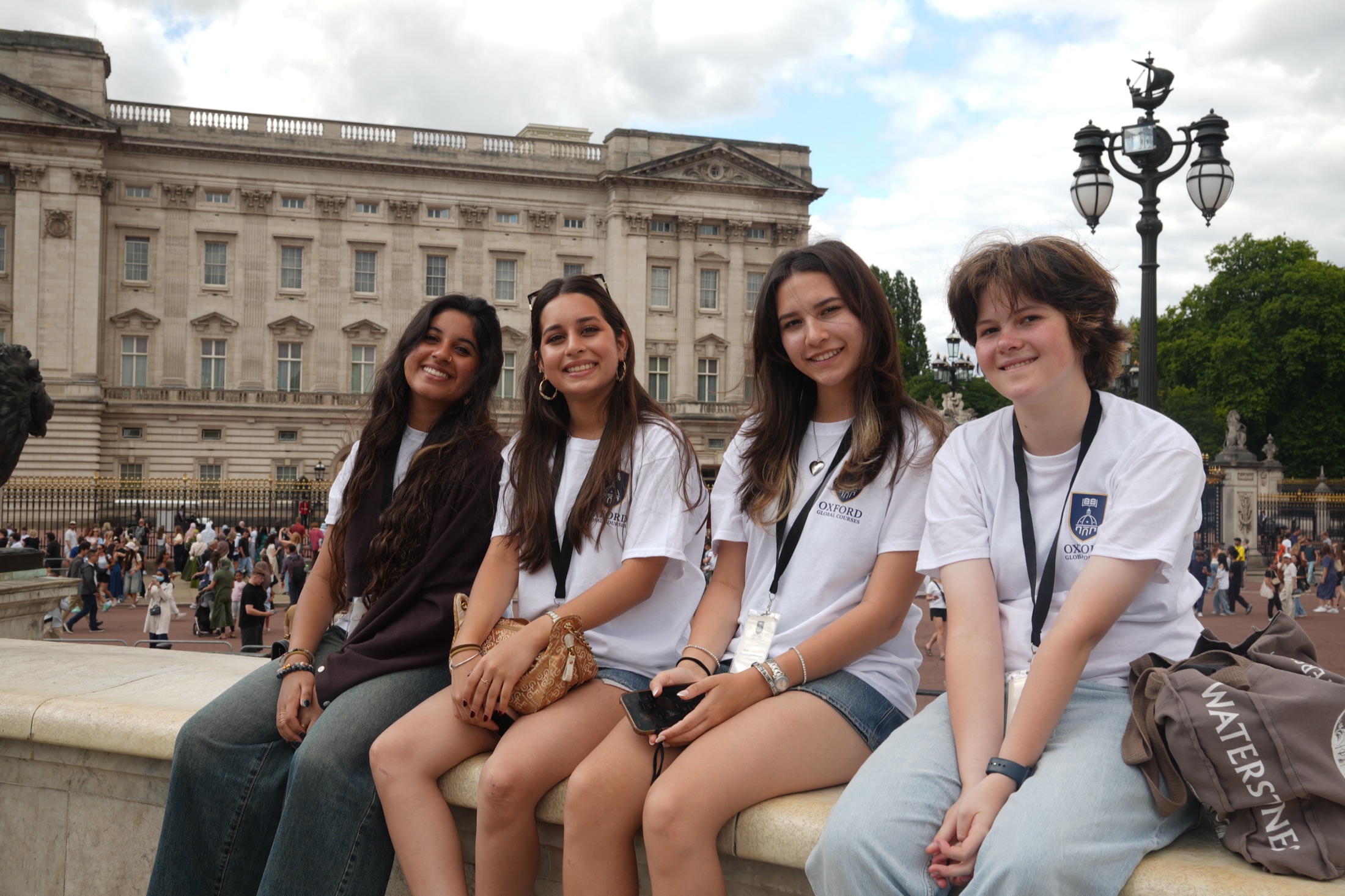
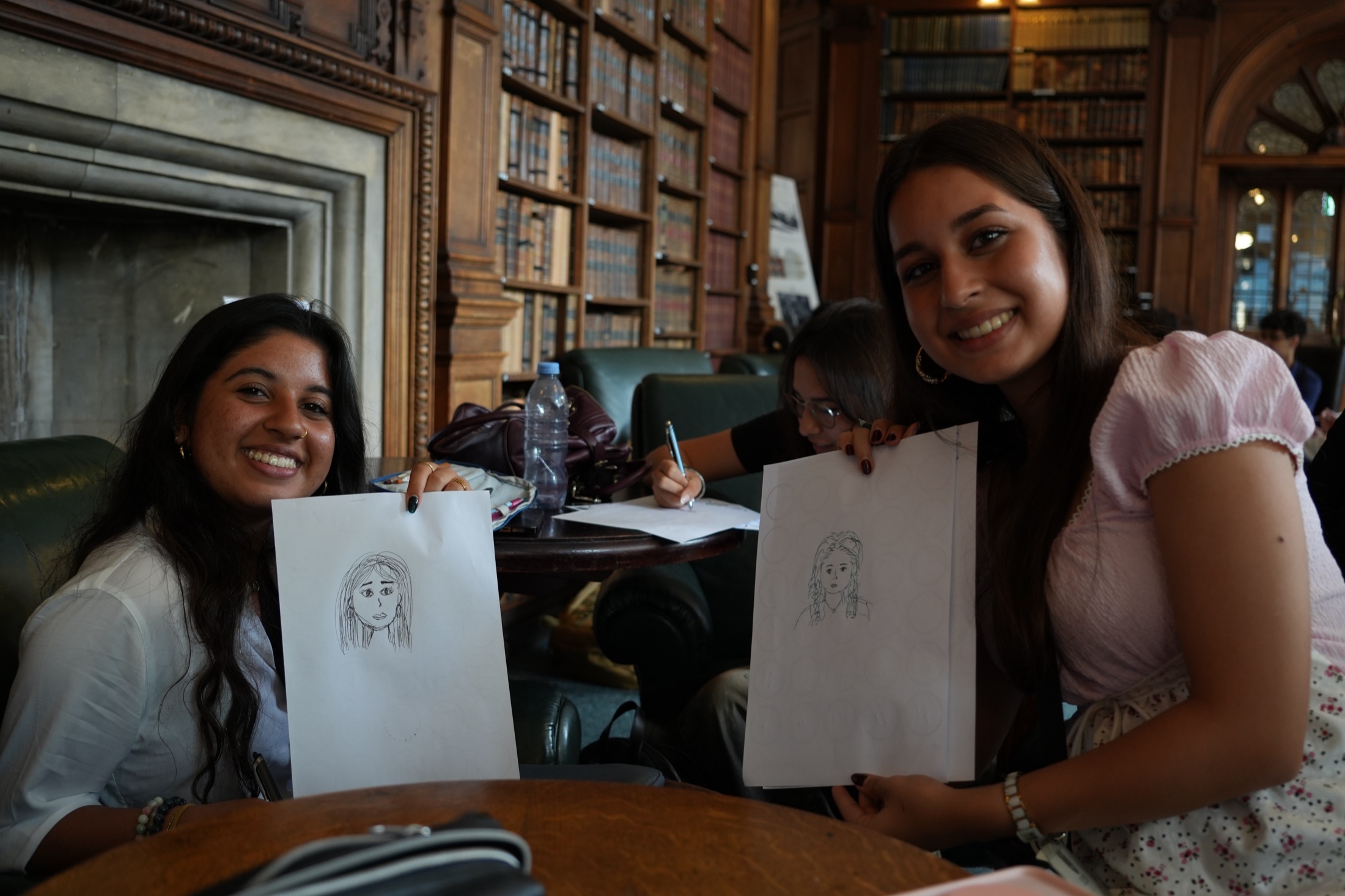
Students live and study in Oxford college accommodation, eat together, use historic academic spaces and build friendships across countries and disciplines. Formal dinner, college traditions, the Oxford Union and a full day in London sit alongside the academic programme.
The cohort is deliberately international. Meeting students who have been taught differently and see the world differently is part of what makes the two weeks valuable.

A day at the Oxford Summer Academy
MorningTutorials
MorningResearch paper
AfternoonThe Future Labs
AfternoonGuest lectures
EveningDinner in hall
EveningSocial activities
Welfare and supervision
Welfare is non-negotiable.
Students live in secure college accommodation with 24-hour porter coverage and dedicated residential welfare support. Residential Deans, designated safeguarding leads, deputy designated safeguarding leads and first-aid-trained staff support students throughout the programme. Supervision, curfews, sign-out arrangements and activity staffing are applied according to age and programme context.
Residential Deans dedicated to student welfare during the programme.
Programme staff working directly with students undergo the appropriate enhanced DBS checks as part of OGE’s safer-recruitment process.
Designated and deputy designated safeguarding leads.
Families receive the relevant residential arrangements before arrival.
First-aid-trained staff support students throughout the programme.
ASIC-accredited institutional standards.
07Fees and application
2027 fees with no compulsory add-ons
Both VAT-inclusive totals cover programme teaching and materials, accommodation from arrival to departure, all programme meals, Heathrow Airport arrival and departure transfers within the specified programme time windows, the London excursion, programme museums, visits and organised activities, a formal dinner or gala, research-paper support and feedback, the Future Labs, Oxford Global Forum and residential welfare provision. Heathrow transfer windows will be shared with families before the programme.
Standard
Full Programme
The complete two weeks in Oxford, residential and inclusive.
- Major and minor subject tutorials
- All five Future Labs
- Extended research paper with written feedback
- Oxford Global Forum lecture series
- Debate finale at the Oxford Union
- London excursion
- St Anne’s College accommodation and all programme meals
- Delta Academic Profile and twelve-month roadmap
£6,395 All-inclusive
A £1,299 deposit forms part of the total price. The remaining balance of £5,096 is due within 30 days of paying the deposit.
By application
Scholars Tier
The Full Programme inclusions, preceded by two weeks of calibration so that the time in Oxford starts at a higher level.
- All Full Programme inclusions
- Premium college accommodation
- Two one-to-one tutorials before the Academy begins
- A mock academic interview, assessed across the Delta dimensions
- A specialist session with the tutor to set the teaching plan
- Reading agreed and started before arrival
£6,995 All-inclusive
A £1,299 deposit forms part of the total price. The remaining balance of £5,696 is due within 30 days of paying the deposit.
The price does not include flights, personal spending, expenses unrelated to the programme, transport to or from airports other than Heathrow, or travel outside the specified Heathrow transfer windows unless expressly arranged by OGE. There are no compulsory add-ons, hidden programme charges or optional academic supplements. Read the terms and conditions for the approved cancellation and refund terms.
The application process.
Apply
Academic record, subject choices and a short statement written by the student.
Academic review
Every application is read individually by the programme team.
Interview
A real academic conversation, closer to a tutorial than a conventional interview.
Offer
A personalised offer explaining why we believe the Academy is the right fit.
ApplicationsOpen Autumn 2026Final deadline30 April 2027Programme8–20 August 2027
Scholarship requests are considered as part of the application process and awards remain subject to assessment and available funding.
08Questions families ask
Is the Oxford Summer Academy run by the University of Oxford?
No. The Oxford Summer Academy is an independent programme organised by Oxford Global Education. It uses Oxford settings by arrangement but is not part of, affiliated with or endorsed by the University of Oxford or the University of Cambridge.
Who can apply for the Oxford Summer Academy 2027?
Students aged 13 to 21 may apply. Students are placed in age-appropriate cohorts, and subject availability or prerequisites are confirmed through the application process.
When is the Oxford Summer Academy 2027?
The residential programme runs from 8 to 20 August 2027 in Oxford.
How are students taught?
Major and minor subjects are normally taught one-to-one or two-to-one and may occasionally be delivered three-to-one. Students also complete independent research and take part in the Future Labs and Oxford Global Forum.
What does the 2027 programme fee include?
The published fee includes programme teaching and materials, college accommodation, programme meals, specified Heathrow transfers, the London excursion, organised activities, research-paper support, the Future Labs, Oxford Global Forum and residential welfare provision.
How does the application process work?
Students submit an academic record, subject choices and a short statement. The programme team reviews each application individually; suitable applicants are invited to an academic interview before an offer decision.
Come prepared to contribute.
We look for students who are curious about their subject, ready to be challenged and willing to take other people's ideas seriously.